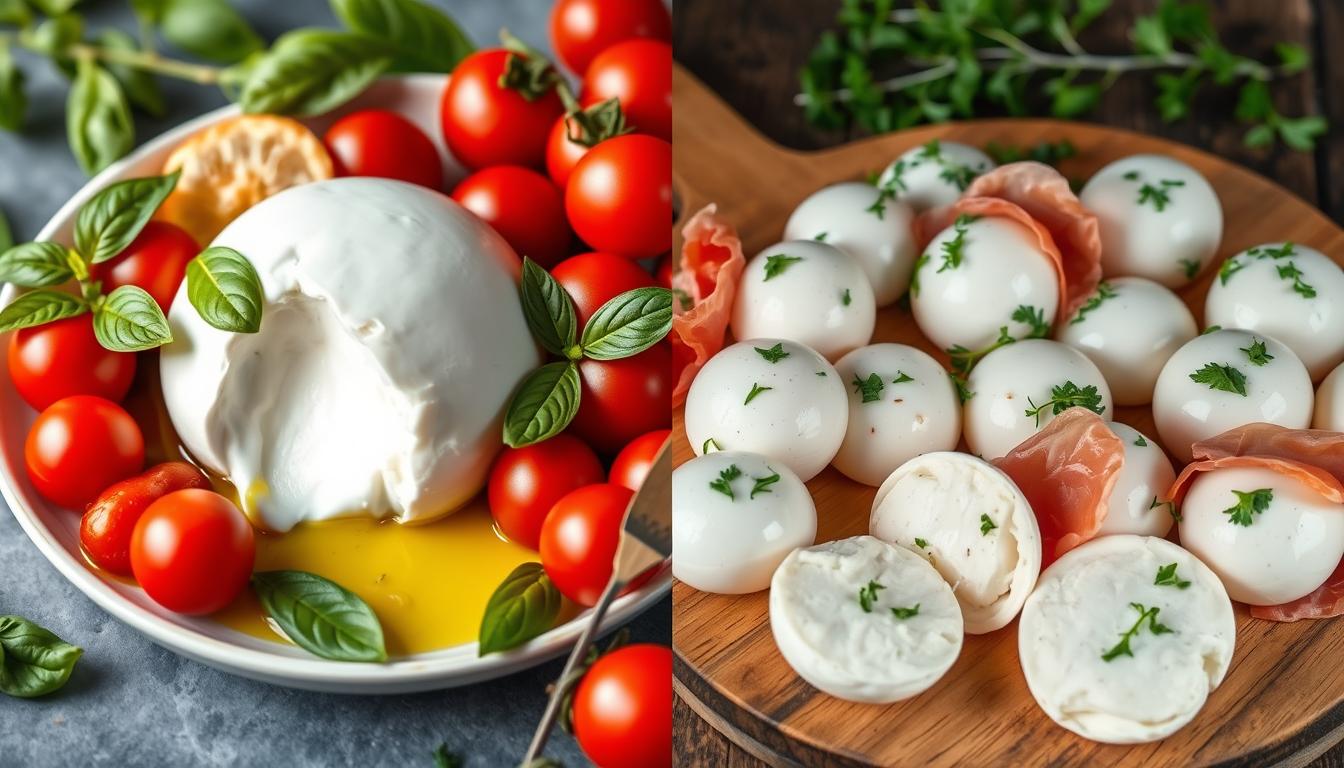
Burrata vs. Mozzarella: Choosing Your Creamy Tomato Pasta Garnish
There are few culinary delights as universally comforting and utterly satisfying as a bowl of perfectly crafted
creamy tomato pasta. It's a dish that sings of Italian simplicity, where a handful of quality ingredients come together to create a symphony of flavors and textures. The sweet acidity of ripe tomatoes, the richness of a velvety sauce, and the perfect al dente bite of pasta—it's a combination designed to warm the heart and delight the palate. But once you've mastered the sauce, a crucial decision often arises: which fresh cheese will provide the ideal crowning glory?
When it comes to enhancing your
creamy tomato pasta, the choice between burrata and fresh mozzarella as a garnish can profoundly impact the final experience. Both are beloved Italian cheeses, known for their milky flavor and tender textures, yet they offer distinct characteristics that can steer your dish in different directions of richness and creaminess. Let's delve into the delicious dilemma and help you decide which will best complement your culinary masterpiece.
The Allure of Creamy Tomato Pasta
Imagine a pasta dish where a golden, barely-cooked tomato sauce, made from peak-season varietals like Sun Gold tomatoes, gently clings to every strand. This isn't just any pasta; it's a celebration of simplicity and fresh ingredients. The magic often lies in achieving a velvety mouthfeel without the heaviness of traditional cream. This culinary sleight of hand is typically accomplished through the judicious use of pureed fresh tomatoes, a touch of butter, and a generous amount of grated Parmesan, all emulsified with starchy pasta water. The result is a sauce that feels indulgent and rich, yet surprisingly light and vibrant – a testament to Italian ingenuity.
This type of
creamy tomato pasta is a dish that's both elegant enough for a special occasion and simple enough for a weeknight dinner, often ready in under 30 minutes. Its appeal lies in its balance: the bright freshness of the tomatoes, the subtle savory depth, and the inviting creaminess. But to truly elevate this experience, the choice of a fresh, cool cheese garnish is paramount, bringing a contrasting texture and a burst of milky flavor that ties everything together.
The Garnish Dilemma: Burrata vs. Mozzarella
So, you have your exquisite
creamy tomato pasta hot off the stove, fragrant and inviting. Now for the finishing touch. The question isn't *if* you should add fresh cheese, but *which* fresh cheese. While fresh mozzarella can certainly substitute burrata as a garnish, it's vital to understand that the final texture, richness, and overall sensory experience will be markedly different. This difference largely stems from the unique internal structure and additional cream found within burrata. To make an informed choice, let's explore each contender in detail.
Burrata: The Luxurious Choice for Unrivaled Creaminess
Burrata, meaning "buttered" in Italian, is a cheese that truly lives up to its name. Originating from Puglia, Italy, this exquisite dairy product is a masterpiece of texture and flavor. At first glance, it resembles a ball of fresh mozzarella, but cut into it, and you'll discover its true secret: an outer shell of solid mozzarella (made from cow's or buffalo's milk) encasing a lusciously soft, creamy interior. This interior is a decadent mixture of stracciatella (shreds of mozzarella) and rich cream, often referred to as "liquid gold."
When burrata is gently torn or sliced over warm
creamy tomato pasta, its cool, creamy core spills out, mingling with the hot sauce. This creates an unparalleled level of richness and a truly decadent mouthfeel. The contrasting temperatures—cool cheese meeting warm pasta—add another layer of sensory pleasure. The delicate, milky flavor of burrata, combined with its profound creaminess, enhances the existing velvety texture of the sauce, making each bite an exploration of lushness. It's the ultimate choice when you want to make a statement, adding an element of luxury and an undeniable "wow" factor to your dish. For optimal enjoyment, burrata should be served at room temperature or slightly chilled, allowing its creamy interior to be at its most yielding.
Mozzarella: The Classic, Versatile Staple
Fresh mozzarella, especially the varieties packed in brine such as mozzarella di bufala (buffalo mozzarella) or fior di latte (cow's milk mozzarella), is a foundational pillar of Italian cuisine. Unlike its processed, low-moisture counterpart often used for pizza, fresh mozzarella is known for its delicate, milky flavor and a texture that is both tender and slightly chewy. Storing it in brine helps maintain its soft texture and deepens its subtle, sweet flavor.
When fresh mozzarella is added to
creamy tomato pasta, it melts beautifully into the sauce, providing a more uniform cheesiness throughout the dish. Its milder flavor profile complements the tomato sauce without overpowering it, allowing the bright, tangy notes of the tomatoes to shine through. While it doesn't offer the dramatic "burst" of creaminess that burrata does, it contributes a pleasant, integrated creaminess and a delightful, stretchy texture as it melts. For those who appreciate a cleaner, slightly less rich finish, or prefer a classic Italian touch, fresh mozzarella is an impeccable choice. It’s also incredibly versatile, working well whether torn, sliced, or cubed over the pasta.
Beyond the Cheese: Elevating Your Creamy Tomato Pasta
While the choice between burrata and mozzarella is significant, there are several other elements that contribute to an unforgettable
creamy tomato pasta experience. Mastering these techniques will ensure your dish is consistently outstanding, no matter your cheese preference.
The Power of Peak-Season Tomatoes
The foundation of any great tomato pasta is, naturally, the tomatoes themselves. Seek out peak-season, ripe, and intensely flavorful varieties. Sun Gold tomatoes, with their vibrant color and sweet, low-acid profile, are an excellent choice as they create a "golden, barely cooked tomato sauce" that tastes incredibly fresh. The less you do to truly exceptional tomatoes, the better. Pureeing them and gently warming them rather than heavily cooking them preserves their natural sweetness and brightness, which is crucial for a lively sauce.
Unlocking Velvety Creaminess with Pasta Water
One of the most essential, yet often overlooked, ingredients in achieving a truly creamy pasta sauce without heavy cream is the humble pasta water. As pasta boils, it releases starches into the water, creating a cloudy, slightly thickened liquid. This "liquid gold" is a chef's secret weapon. Adding a ladle or two of this starchy water to your sauce helps to emulsify fats, bind the sauce to the pasta, and create a luscious, silky texture. It thins the sauce without making it watery and acts as a natural thickener, giving you that desired creamy consistency. It’s easy to forget to reserve it when draining your pasta, but keeping a measuring cup by the stove can be a simple reminder to ladle some out before discarding the rest. For a deeper dive into this technique, check out our guide:
Unlock Velvety Creamy Pasta: No Heavy Cream, Just Pasta Water.
The Magic of Bronze-Cut Pasta
The type of pasta you choose also plays a critical role in how well your sauce clings. Bronze-cut pasta, made by extruding dough through traditional bronze dies, has a distinctly rough and porous surface. This texture acts like microscopic hooks, allowing the sauce to adhere much more effectively than smooth, Teflon-extruded pasta. While any long pasta will work, seeking out bronze-cut spaghetti, linguine, or bucatini will significantly enhance the sauce-to-pasta ratio in every bite, ensuring a more flavorful and satisfying experience.
Essential Flavor Enhancers
Beyond tomatoes and cheese, key ingredients like good quality butter and finely grated Parmesan cheese are indispensable for building a rich flavor profile and contributing to that velvety mouthfeel without relying on heavy cream. Fresh herbs, particularly basil, added at the end, provide an aromatic lift and a burst of fresh flavor. A touch of garlic, gently sautéed, and a hint of red pepper flakes can also add layers of depth and subtle warmth, making your
creamy tomato pasta truly unforgettable.
Perfect Pairings
To complete the experience, consider a simple, fruit-forward wine. A crisp, juicy Sauvignon Blanc, such as a Husch Mendocino, makes an excellent partner for this summery pasta. Its bright acidity and citrus notes cut through the richness of the dish, refreshing the palate with each sip.
In conclusion, the choice between burrata and mozzarella for your
creamy tomato pasta ultimately comes down to your desired texture and richness. Opt for burrata if you crave an intensely creamy, luxurious, and visually stunning finish where the cheese provides a dramatic, oozy counterpoint to the warm pasta. Choose fresh mozzarella for a classic, integrated cheesiness that melts beautifully, offering a milder, milky flavor and a delightful stretch. Whichever you select, remember that the true beauty of this dish lies in its simplicity and the quality of its ingredients. Experiment, taste, and enjoy the process of creating your perfect bowl of comfort. For a quick and delightful version of this dish, explore our recipe:
Minute Creamy Tomato Pasta: Sun Gold & Burrata Magic.