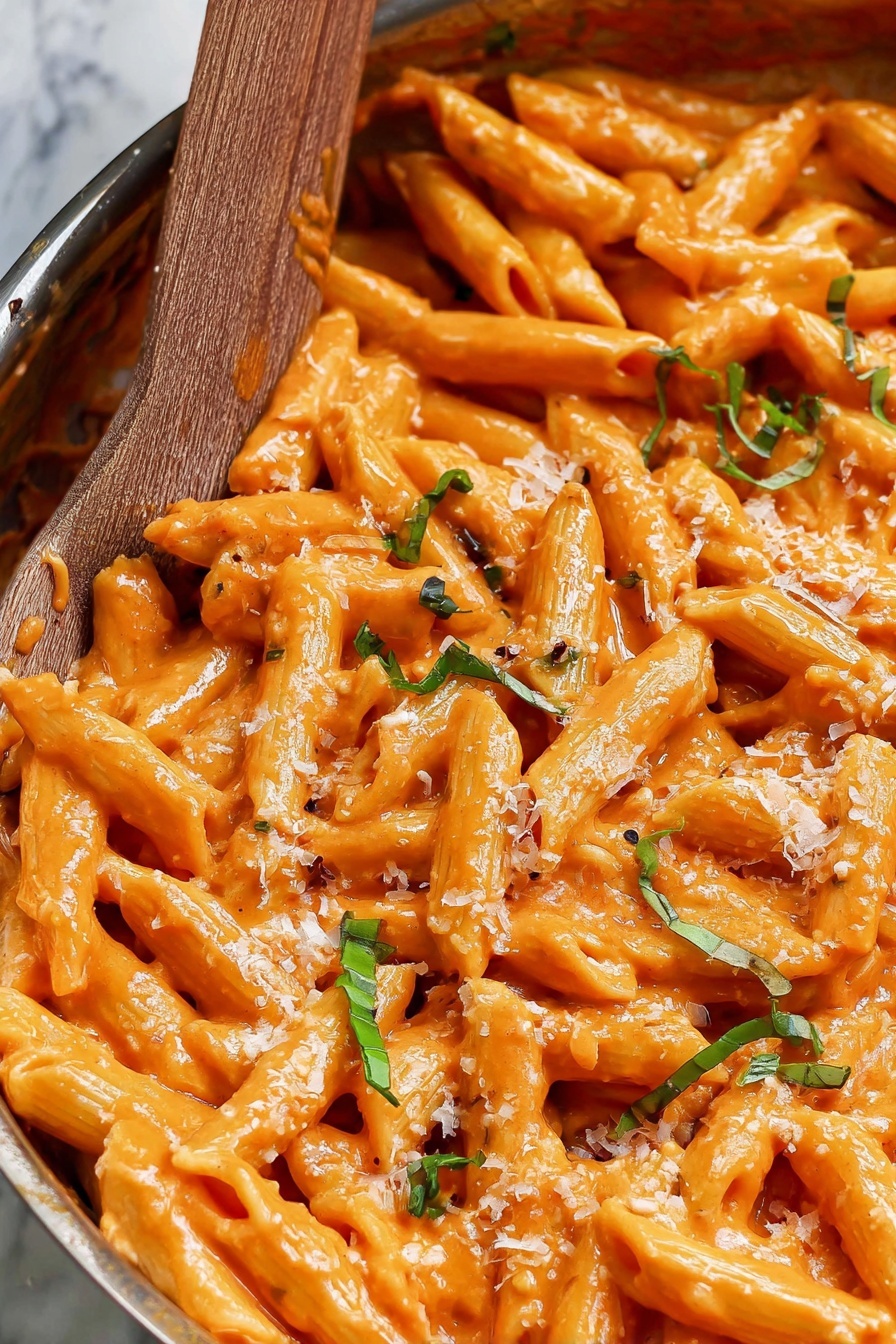
Unlock Velvety Creamy Pasta: No Heavy Cream, Just Pasta Water
Imagine a bowl of pasta so irresistibly luscious, its sauce clinging to every strand with a comforting, velvety embrace. The kind of dish that transports you straight to a sun-drenched Italian piazza, yet feels surprisingly light and vibrant. For too long, achieving this dream-like texture has been synonymous with one ingredient: heavy cream. But what if we told you there's a secret, age-old Italian technique that delivers unparalleled creaminess without a drop of dairy overload? Get ready to transform your understanding of creamy tomato pasta, using nothing more than the starchy magic of pasta water.
This article delves into the art of creating a truly exceptional, naturally creamy tomato pasta – a dish that celebrates simplicity, fresh ingredients, and smart culinary techniques. We'll show you how to build incredible depth of flavor and that coveted silky mouthfeel, proving that you don't need heavy cream to make your pasta dreams a reality. Prepare to impress yourself and your guests with a meal that’s both comforting and elegantly refined, ready in often less than 30 minutes.
The Secret Ingredient: Unlocking Velvety Creaminess with Pasta Water
The concept of using pasta water might sound deceptively simple, but it's the cornerstone of true Italian pasta making. This humble, cloudy liquid is far from just plain water; it's a culinary powerhouse, brimming with dissolved starches released from the cooking pasta. When incorporated into your sauce, this starchy water performs a magical feat: it acts as a natural emulsifier, binding the fats (like olive oil and butter) and liquids in your sauce together to create an incredibly rich, cohesive, and undeniably creamy texture.
The Science Behind the Silky Finish
As pasta cooks, starch molecules migrate from the noodles into the boiling water. When you add a ladleful of this starchy water to your sautéed sauce ingredients, a remarkable transformation occurs. The starch helps to thicken the sauce slightly, giving it body, while also creating a stable emulsion between any oil, butter, and the tomato liquids. This emulsion is what gives your creamy tomato pasta that desirable glossy sheen and luscious, smooth texture without the density or richness that heavy cream brings. It also helps the sauce adhere beautifully to every piece of pasta, ensuring each bite is an explosion of flavor.
Why Bronze-Cut Pasta is Your Best Friend
While any long pasta will work in a pinch, elevating your Minute Creamy Tomato Pasta: Sun Gold & Burrata Magic to truly exceptional status often starts with the right foundation: bronze-cut pasta. Unlike modern Teflon-die pasta, which results in a slick, smooth surface, bronze-cut pasta is extruded through traditional bronze dies. This artisanal process leaves the pasta with a rough, porous, almost dusty surface. Why does this matter?
The grippy texture of bronze-cut pasta is a game-changer. It provides countless tiny nooks and crannies for your sauce – and especially your starchy pasta water – to cling to. This allows the sauce to coat each strand more effectively, integrating deeply into the dish and enhancing that overall creamy mouthfeel. It’s a subtle difference that makes a world of impact on the final experience, ensuring maximum flavor adhesion with every twirl of your fork.
Crafting Your Perfect Creamy Tomato Pasta Sauce
At the heart of any great creamy tomato pasta is, of course, the tomato sauce. Our approach focuses on vibrant, fresh flavors and intelligent layering to build complexity without complication.
The Magic of Peak-Season Tomatoes (and Alternatives)
When in season, nothing beats the explosion of flavor from fresh, ripe tomatoes. Varieties like Sun Gold cherry tomatoes, with their natural sweetness and low acidity, are perfect for a barely-cooked sauce that highlights their natural brilliance. Pureeing them creates an instant silky base that contributes significantly to the sauce's body and "creaminess." For a more robust flavor, San Marzano tomatoes (fresh or high-quality canned, peeled varieties) offer a deeper, richer profile. Cherry or grape tomatoes, simply halved and simmered, also work beautifully, bursting with flavor as they cook down. If fresh tomatoes aren't at their peak, don't despair! High-quality canned whole peeled tomatoes, especially San Marzano, are an excellent substitute, offering consistent sweetness and acidity year-round.
Building Depth with Butter and Parmesan
Beyond the tomatoes, butter and Parmesan play crucial roles in developing the sauce's luxurious texture and flavor. A good quality butter, gently melted with aromatics like finely minced garlic or shallots, creates a rich base. The fats in the butter, combined with the starches from the pasta water, are key to forming that perfect emulsion. Likewise, freshly grated Parmesan cheese isn't just for topping; stirred directly into the sauce off the heat, its natural fats and umami notes melt and contribute significantly to the velvety texture and savory depth, making your creamy tomato pasta sing.
Aromatics and Fresh Herbs: Elevating Flavor
While simplicity is key, a few carefully chosen aromatics and herbs can elevate your pasta to new heights. A subtle hint of garlic, gently sautéed until fragrant, forms a wonderful foundation. Fresh basil, torn or roughly chopped and added towards the end of cooking, provides a burst of herbaceous freshness that perfectly complements the tomatoes. For those who enjoy a little kick, a pinch of red pepper flakes can add a welcome warmth without overpowering the other flavors. Experiment with other herbs like fresh oregano or a touch of parsley for different aromatic nuances. And for an even deeper, more concentrated tomato flavor, a small amount of finely chopped sun-dried tomatoes can add a sweet and savory punch, as suggested by some classic Italian preparations.
Beyond the Sauce: Garnishes and Pairings for Your Culinary Masterpiece
Once your sauce is perfected and your pasta is coated in its velvety embrace, the final touches can transform a great meal into an unforgettable experience.
Choosing Your Creamy Topping: Burrata vs. Mozzarella
For a truly indulgent finish, a dollop of fresh cheese can be the crown jewel of your creamy tomato pasta. Burrata, with its luxurious creamy interior of stracciatella (shredded mozzarella and cream) encased in a solid mozzarella shell, is an unparalleled choice. Its rich, cool creaminess melts beautifully into the warm pasta, creating pockets of pure bliss with every bite. If burrata isn't available or you prefer a lighter touch, fresh mozzarella, especially one stored in brine for a softer texture and deeper flavor, makes a wonderful substitute. While the texture and richness will differ (burrata's creaminess is unique), fresh mozzarella still offers a delightful milky tang and soft chew. For a deeper dive into these delicious options, check out our guide: Burrata vs. Mozzarella: Choosing Your Creamy Tomato Pasta Garnish.
The Ideal Wine Companion
To complete the dining experience, a thoughtful wine pairing can enhance the flavors of your creamy tomato pasta. A crisp, fruit-forward Sauvignon Blanc is an excellent choice. Its bright acidity and notes of citrus or green apple cut through the richness of the sauce and cheese, refreshing the palate without overwhelming the delicate tomato flavors. Look for unoaked versions or those with a juicy, less grassy profile. Alternatively, a light-bodied rosé or even a very light-bodied, chilled red like a young Barbera or Frappato could also complement the dish beautifully, especially if you've added a hint of spice.
Tips for Success: Mastering Your Creamy Tomato Pasta
Achieving culinary perfection in this dish is more about technique than complex ingredients. Here are a few key tips to ensure your creamy tomato pasta is flawless every time:
- Don't Forget the Water! This is the most crucial step. Keep a measuring cup or small bowl right by your stove as the pasta boils. Ladle out at least 1-2 cups of starchy pasta water before draining your pasta. It's easy to forget in the heat of the moment, but it's indispensable for your sauce.
- Al Dente is Key: Cook your pasta to just al dente – slightly firm to the bite. It will continue to cook briefly in the hot sauce, absorbing more flavor and preventing it from becoming mushy.
- Emulsify Off the Heat: When adding butter, Parmesan, and particularly the pasta water, remove the pan from direct heat. This allows for better control over the emulsification process, preventing the sauce from breaking or becoming too thin.
- Taste and Adjust: Always taste your sauce before serving. Adjust seasoning with salt and freshly ground black pepper as needed. A squeeze of fresh lemon juice at the end can brighten flavors, or a dash more red pepper flakes for an extra kick.
- Toss Vigorously: Once the pasta is added to the sauce, toss it enthusiastically for a minute or two. This helps the sauce cling, thickens it slightly, and ensures every strand is beautifully coated. Add more pasta water a tablespoon at a time if the sauce is too thick.
Conclusion
There you have it: the secret to unlocking truly velvety, flavorful creamy tomato pasta without relying on heavy cream. By embracing the simple yet powerful magic of starchy pasta water, combining it with peak-season tomatoes, quality fats, and aromatic herbs, you can create a dish that is both deeply satisfying and surprisingly light. This recipe celebrates the heart of Italian cooking – transforming humble, high-quality ingredients into something extraordinary through intelligent technique. So, next time you crave that comforting bowl of creamy pasta, ditch the heavy cream, remember that measuring cup, and prepare to be amazed by the delicious, natural alchemy that takes place right in your kitchen.
